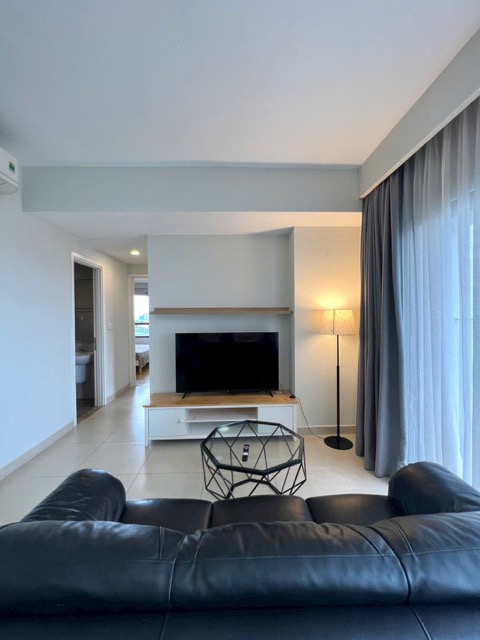
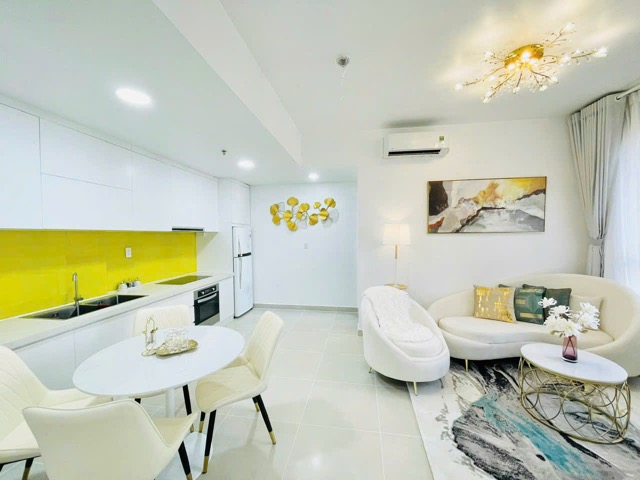
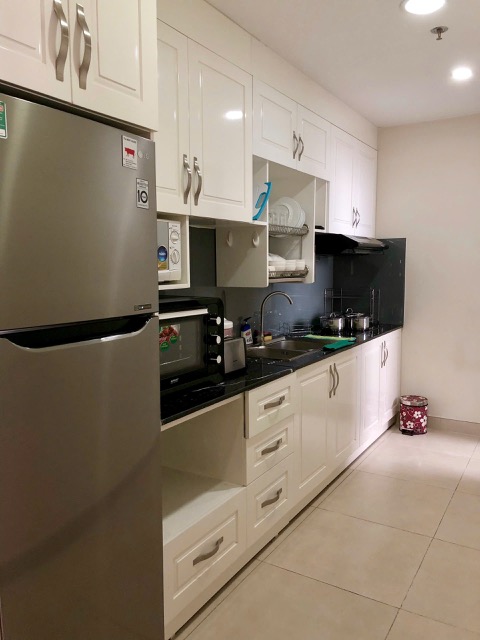
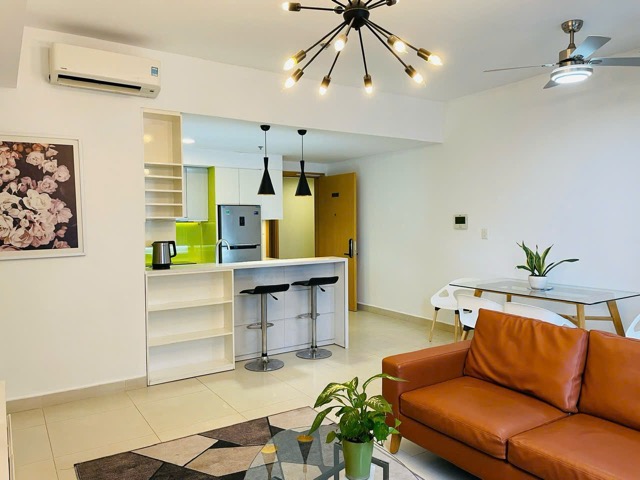
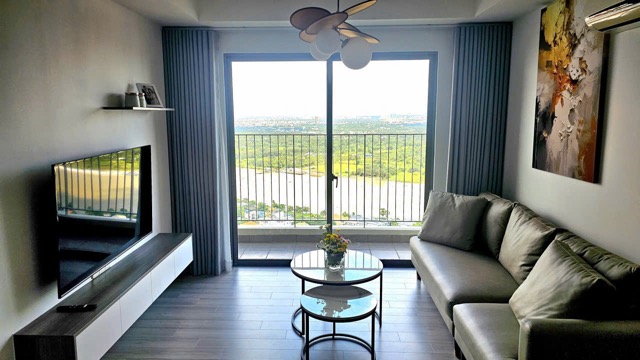
Renting an apartment is easier when every option is judged against the same checklist. At Masteri Thao Dien, two units with a similar bedroom count can still feel very different because of layout, floor position, view, furniture, condition and lease terms. This guide gives you a repeatable process for shortlisting, viewing and comparing apartments before you commit.
1. Define your requirements before browsing
Start with the details that would genuinely change your decision. A clear brief helps an agent filter unsuitable units and prevents an attractive interior from distracting you from practical requirements. Separate essential criteria from preferences so you know where you can compromise.
- Target move-in date and expected lease length
- Maximum monthly housing budget, including recurring charges
- Minimum bedroom and bathroom requirements
- Furnished, partly furnished or unfurnished preference
- Work-from-home, parking, pet or school-related needs
- Preferred floor, orientation, view and tolerance for road noise
2. Compare the apartment, not only the asking rent
The best-value unit is not automatically the one with the lowest advertised rent. Compare usable layout, storage, natural light, furniture condition and the costs you will pay throughout the lease. Ask for a clear breakdown before ranking your shortlist.
Build a total monthly-cost comparison
- Monthly rent and payment schedule
- Management fee and parking fee
- Electricity, water, internet and other utilities
- Deposit amount and any advance rent
- Potential furniture, cleaning or minor repair costs
- Conditions for returning the deposit at move-out
3. Inspect the actual unit carefully
Photos are useful for screening, but the viewing is where you test whether the apartment works in daily life. Visit the exact unit whenever possible. Open cabinets, test fixtures and spend a few quiet minutes listening for noise with the windows both open and closed.
- Check air conditioners, water pressure, hot water and major appliances
- Look for moisture, unusual smells, damaged seals or signs of leakage
- Confirm mobile signal and options for home internet
- Check windows, balcony doors, locks, curtains and built-in storage
- Assess daylight, afternoon heat, ventilation and external noise
- List every promised repair or replacement in writing before signing
4. Review the lease as an operating document
A lease should explain what happens during the tenancy, not only record the rent. Make sure the commercial terms discussed during negotiation appear in the final document. If any clause is unclear, request an explanation or revision before transferring the deposit.
- Confirm the legal names of the parties and the exact apartment
- Check lease dates, payment dates, deposit and renewal conditions
- Define who handles repairs, maintenance and replacement of appliances
- Review early-termination, notice and deposit-return clauses
- Record included furniture, keys, access cards and parking arrangements
- Keep the signed lease, payment records and handover documents together
5. Create a clear handover record
On move-in day, photograph the condition of rooms, furniture and appliances. Record meter readings and list existing marks or defects in the handover minutes. Both parties should keep the same signed record. This simple step reduces disagreement when repairs are requested or the deposit is returned.
A strong shortlist compares the same facts for every unit: total cost, condition, daily usability and lease terms.
Chintai Saigon rental checklist
Explore Masteri Thao Dien
Use the building guide to understand the project, then compare the currently available units below. Availability can change, so confirm the latest status, viewing schedule and lease terms with Chintai Saigon before making a decision.
Available at Masteri Thảo Điền
View building